Rent online in minutes
Contact Us
We will get back to you as soon as possible.
Please try again later.
Check out all 4,000+ of our locations on a map by clicking "Find Storage" in the menu!

4.8
Vehicle Storage
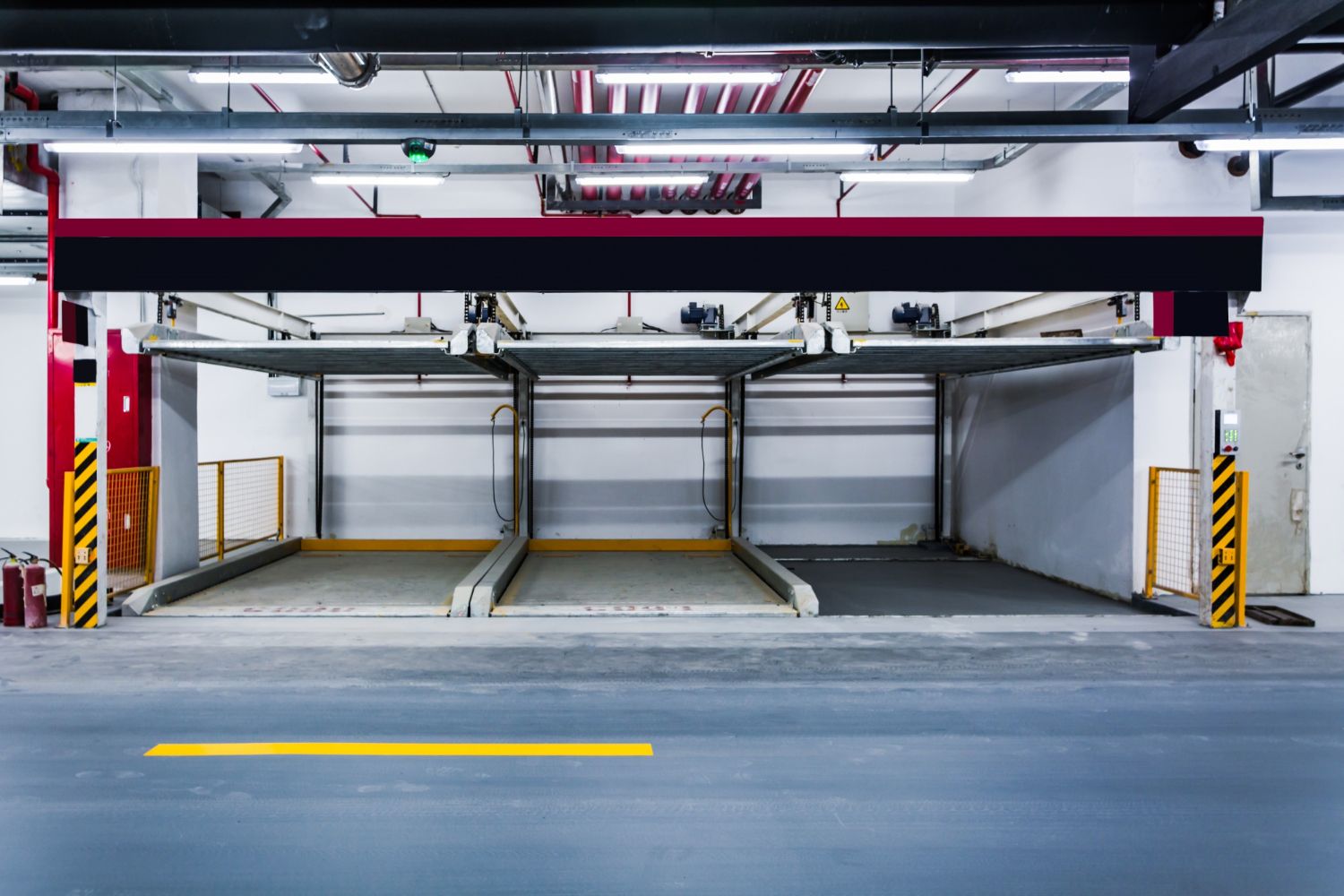
Vehicle Storage for Cars, Motorcycles, and Everything in Between
Not every vehicle gets driven every day, and not every home has room to park everything you own. The classic car that only comes out on weekends needs more protection than a driveway can offer. The motorcycle sitting in the garage all winter takes up space you could use for something else. The project car, the seasonal convertible, the ATV that only runs from May through October - they all need a place to sit when they're not in use, and for a lot of owners, that place isn't home.
Vehicle storage gives you a secure, dedicated spot for cars, motorcycles, ATVs, UTVs, snowmobiles, golf carts, and trailers without cluttering your garage, driveway, or yard. It's practical for seasonal vehicles that sit idle for months at a time, valuable cars that deserve better protection than street parking, and situations where life temporarily removes the parking space you had - a move, a deployment, an apartment without a garage, or an HOA that doesn't allow vehicles parked outside.
What to look for in a vehicle storage facility depends on the vehicle and how long it's going to sit. Security is the baseline - gated entry, individual access codes, and camera coverage should be standard for any facility storing vehicles worth thousands of dollars. Access hours matter if you want the flexibility to grab your motorcycle for a Saturday ride without waiting for the facility to open. Surface quality affects both your vehicle and your experience - paved lots are easier to navigate and keep vehicles cleaner than gravel or dirt. And the storage format itself - open parking, covered, enclosed, or indoor - determines how much environmental protection the vehicle gets while it sits.
For boat storage or RV storage, those vehicle types have their own dedicated pages with specific guidance on formats and preparation.
The Storage Advantage lets you compare vehicle storage options across
multiple facilities, filtering by location, space type, and features to find the right fit for what you're parking.
What Types of Vehicles Go Into Storage
"Vehicle storage" covers a wider range of machines than most people assume. Here's what typically goes into storage and what each category needs.
Cars
Cars are the most commonly stored vehicle type, and the reasons people store them vary widely. Some owners are between homes and need a temporary spot for a second or third car while the new place is being set up. Others store classic and collector cars that are too valuable to leave exposed to weather, UV, and the general risks of street or driveway parking. Seasonal drivers put convertibles and sports cars away for winter in cold climates, and project car owners need a place to keep a vehicle that's being built or restored over months or years. The storage format that makes sense depends on the car's value and the storage duration. A daily driver sitting for a few weeks between moves does fine in an open or covered spot. A numbers-matching classic or a six-figure sports car belongs in an enclosed or indoor unit where it's fully protected from weather, dust, pests, and prying eyes. Service members storing a personal vehicle during military deployment should prioritize enclosed storage with strong security, since the vehicle may sit unattended for six months or longer.
Motorcycles
Motorcycles go into storage for two main reasons: winter and space. In regions with cold winters, riding season ends and the bike needs somewhere to sit from November through March or April. At home, a motorcycle in the garage takes up room that competes with cars, tools, and everything else fighting for floor space. A storage unit solves both problems. The good news is that motorcycles have a small footprint, so they fit in compact storage spaces that cost less than a full vehicle spot. A single motorcycle fits comfortably in a 5x10 unit with room to spare for gear and accessories. Two or three bikes can share a 10x10 or 10x15 space. Enclosed storage is the better choice over open parking for motorcycles, since bikes are more vulnerable to weather damage, theft, and tampering than a car sitting in a locked lot. Prep before storage matters - stabilize the fuel, disconnect or tender the battery, inflate tires to recommended pressure, and clean the bike thoroughly to prevent corrosion during the off-season.
ATVs, UTVs, Snowmobiles, and Golf Carts
Recreational and utility vehicles are seasonal by nature. ATVs and UTVs see heavy use from spring through fall and sit all winter. Snowmobiles are the opposite. Golf carts used at vacation properties or seasonal communities need a home during the off-months. All of them take up garage space that most homeowners would rather use for something else. These vehicles often come with trailers, which means the storage spot needs to accommodate both the machine and the trailer it rides on. Open or covered parking handles this well for short off-seasons in mild climates. For longer storage or harsher conditions, enclosed storage keeps everything protected from UV, moisture, rodents, and the general deterioration that comes from months of sitting exposed. Prep is similar to what you'd do for any small engine - stabilize fuel, maintain the battery, check tire pressure, and clean the machine before it goes in. Use the
storage unit size guide to match your vehicle and trailer dimensions to the right space.
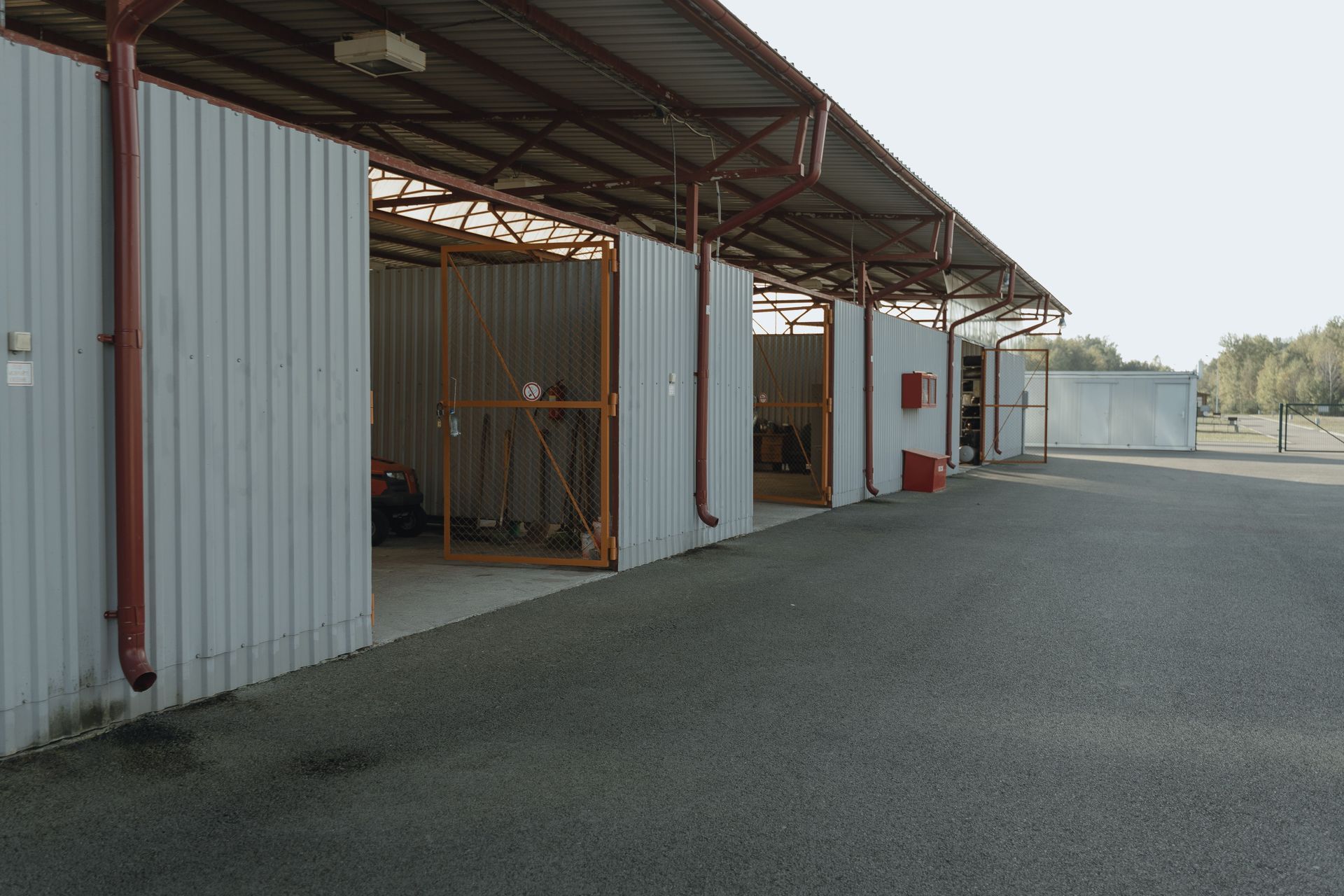
Choosing the Right Vehicle Storage Format
The storage format you choose determines how much protection your vehicle gets and how much you'll pay for it. Here's how the options break down.
Open Parking
Open parking is the most affordable vehicle storage format. Your car, motorcycle, or recreational vehicle sits on a designated outdoor spot within a fenced, gated, and camera-monitored lot. There's no overhead cover, so the vehicle is exposed to sun, rain, and whatever weather comes through. For vehicles that are weather-resistant, stored short-term, or driven regularly enough that extended exposure isn't a concern, open parking keeps costs low while providing security that your driveway or the street can't match. It's also the most practical option for oversized vehicles and trailer combinations that don't fit under standard cover structures.
Covered Parking
Covered parking adds a roof structure over the parking spot, blocking direct sun, rain, hail, and falling debris while leaving the sides open for easy access. The overhead protection makes a meaningful difference for paint, interior surfaces, tires, and any rubber or plastic components that degrade under sustained UV exposure. For vehicles stored through a full summer of intense sun or a winter with frequent precipitation, covered parking provides solid protection at a moderate price point. Check height clearance if you're storing a vehicle on a trailer with the trailer's tongue raised.
Enclosed and Indoor Storage
Enclosed storage places your vehicle inside a fully walled and roofed structure, and climate-controlled indoor storage takes it further with active temperature and humidity management. Enclosed units are the right choice for classic cars, collector vehicles, high-value motorcycles, and anything stored long-term that you want to pull out in the same condition it went in. The vehicle is completely shielded from weather, UV, dust, pests, and visibility. Climate control adds protection against the humidity-driven problems that affect vehicles in storage - mold on interior surfaces, corrosion on metal components, and moisture damage to electrical systems. If replacing or repairing the vehicle would be expensive or impossible, enclosed or indoor storage is the format that matches the stakes.
Vehicle Storage Questions, Answered
How do I prepare a car for storage?
Wash the exterior and clean the interior thoroughly. Change the oil and top off all fluids. Fill the gas tank and add fuel stabilizer to prevent ethanol separation. Inflate tires to the manufacturer's recommended pressure to avoid flat spots. Disconnect the battery or connect a trickle charger. Place moisture absorbers inside the cabin. Cover the vehicle with a breathable car cover, even inside an enclosed unit, to keep dust off the finish.
Can I store a vehicle in a standard self storage unit?
Some larger drive-up units (10x20 and above) can accommodate a car or motorcycle. Policies on storing vehicles in standard units vary by facility, so confirm before renting. Dedicated vehicle storage spaces are designed specifically for this purpose and typically offer better access, appropriate surface area, and facility policies that accommodate vehicles.
Is climate-controlled storage necessary for a vehicle?
For short-term storage in moderate weather, standard enclosed storage is usually sufficient. Climate control becomes worth it for long-term storage (six months or more), high-value or classic vehicles, and storage in regions with extreme heat, cold, or humidity. Sustained moisture is the biggest risk to a stored vehicle - it causes interior mold, electrical corrosion, and rust on body panels and undercarriage components.
How often should I check on a vehicle in storage?
Once a month is a reasonable schedule. Check tire pressure, look under the vehicle for fluid leaks, inspect for signs of pest activity, and verify that any battery maintenance system is working. If the facility allows it, start the engine and let it run for 10-15 minutes to circulate fluids and charge the battery. A monthly visit catches small issues before they become expensive problems.
Do I need insurance on a vehicle while it's in storage?
Most states require at least liability coverage on registered vehicles, even in storage. Beyond the legal requirement, comprehensive coverage protects against theft, vandalism, fire, and weather damage while the vehicle is stored. Check with your insurance provider about storage-specific policies or rate adjustments for vehicles that aren't being driven.
Can I store multiple vehicles in one space?
Depending on the space size and the vehicles involved, yes. Two motorcycles fit comfortably in a 10x10 unit. A car and a motorcycle can share a larger enclosed space. Multiple ATVs or small recreational vehicles often share a single covered or open spot. Check with the facility about their policies on storing more than one vehicle per space, as some have restrictions.
Find Vehicle Storage Near You
Your vehicle deserves better than a tarp in the driveway. Search vehicle storage options on The Storage Advantage to compare facilities near you by space type, features, and security, and reserve a spot that protects your investment.