Rent online in minutes
Contact Us
We will get back to you as soon as possible.
Please try again later.
Check out all 4,000+ of our locations on a map by clicking "Find Storage" in the menu!

4.8
Boat Storage
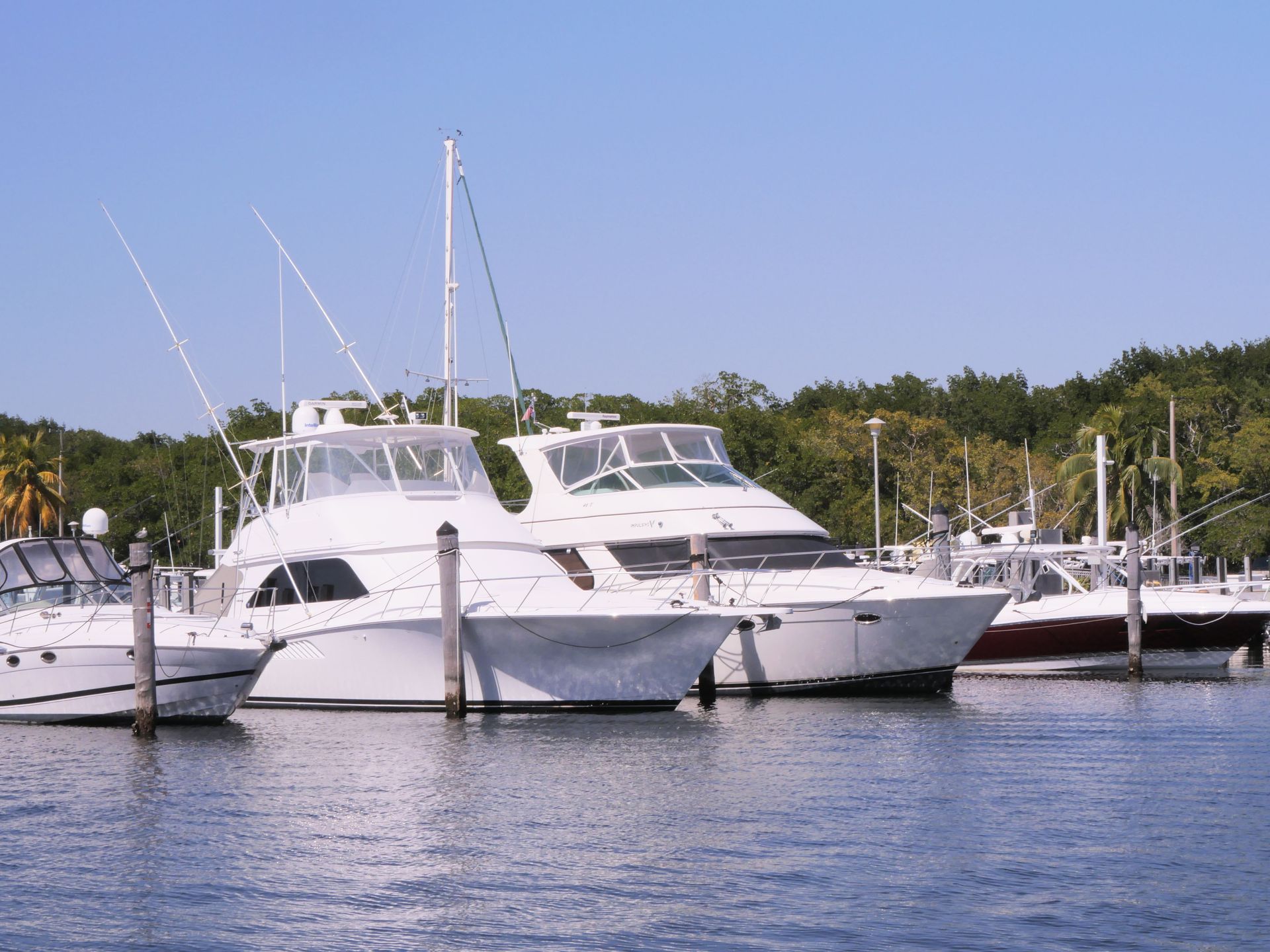
What Smart Boat Owners Look for in Storage
Owning a boat is one thing. Figuring out where to keep it when you're not on the water is a challenge most new boat owners don't think about until the boat is sitting in the driveway, taking up half the garage, and drawing complaints from the HOA. Marina slips solve the access problem but can run hundreds per month depending on the waterway, and they don't make practical sense for boaters who trailer to different lakes and rivers throughout the season.
Dedicated boat storage gives your watercraft a secure, designated spot that keeps it protected and ready to go without eating up space at home. The right facility makes boat ownership easier and more practical, while the wrong one can mean frustrating access restrictions, tight turns with a long trailer, or security that doesn't match the value of what you're storing.
What separates quality boat storage from a basic parking lot with a fence comes down to a few things that experienced boat owners learn to prioritize. Security is the starting point: perimeter fencing, gated entry with individual access codes, and camera coverage across the property. Access hours need to match how you actually use your boat, because a facility that locks up at 5 PM won't work if you're loading the trailer for a sunrise fishing trip. The surface under your tires matters too. Paved aisles make backing a trailer in and pulling it out dramatically easier than navigating gravel or dirt, especially in wet weather or with a longer rig. And lease flexibility is worth paying attention to - month-to-month terms give seasonal boaters the freedom to rent only during the months they actually need storage instead of paying through stretches when the boat is on the water every weekend.
Comparing boat storage options is easier when you can see what's available across multiple facilities in one place. The Storage Advantage lets you filter by location, space type, and facility features to narrow down the right match for your boat and your situation.
Choosing the Right Type of Boat Storage
Not all boat storage is built the same, and the best option for your watercraft depends on how often you use it, how long you plan to store it, and how much protection you want from weather and UV exposure. Most facilities that accommodate boats offer some combination of open, covered, enclosed, and indoor storage - each with different trade-offs between cost and protection level.
Open Boat Parking
Open parking is the most straightforward and budget-friendly boat storage format. Your boat sits on a designated outdoor spot within a fenced, gated facility - protected by perimeter security but without overhead cover. This works well for boat owners who hit the water regularly and don't need long-term weather protection since the boat isn't sitting idle for months at a time. It's also a practical choice in milder climates where UV damage and heavy rainfall are less of a daily concern. If you're trailering your boat to the lake every other weekend, open parking keeps costs down while giving you a secure spot that isn't your driveway. Many facilities that offer open boat parking also accommodate RV storage and vehicle storage in the same lot, so you can sometimes store multiple rigs at one location.
Covered Boat Storage
Covered storage adds an overhead canopy or roof structure that shields your boat from direct sun, rain, and storm debris while still keeping it accessible from an open-sided bay. The overhead protection makes a real difference for hull finishes, upholstery, and any electronics left onboard - sustained UV exposure is one of the fastest ways to break down gelcoat and crack vinyl. This is the sweet spot for boat owners who want meaningful weather protection without the cost of a fully enclosed space. In climates where summer storms roll in daily and afternoon sun is relentless, covered storage extends the life of your boat's exterior and interior surfaces noticeably compared to open parking. Look for covered facilities with paved surfaces underneath, as that combination makes maneuvering your trailer into tighter covered bays significantly easier.
Enclosed Boat Storage
Enclosed storage means your boat is parked inside a fully walled and roofed structure - completely shielded from weather, UV exposure, dust, pests, and visibility from outside. This is the highest level of on-site protection available at most storage facilities and the best choice for high-value boats, boats with custom electronics or finishes, and boats stored for extended off-season periods. Enclosed spaces typically offer drive-up access, so you can pull your trailer directly into the unit without unhitching. The added security of a locked, enclosed unit gives real peace of mind for owners storing boats worth tens of thousands of dollars. Monthly rates run higher than open or covered parking, but for boats that represent a significant investment, the protection is well worth it.
Indoor Boat Storage
Indoor storage takes things a step further by housing your boat inside a large warehouse-style building, sometimes with climate-controlled or temperature-regulated conditions. This format is less common than open, covered, or standard enclosed storage, but it's the premium option for owners of high-end vessels who want the best possible environment during long-term storage. Climate control helps prevent mold, mildew, and the kind of persistent humidity damage that Gulf Coast, lake-region, and coastal boat owners deal with season after season. Indoor facilities also offer the most complete security since the boat sits behind multiple access points and stays completely out of sight. Not every market has
indoor storage available for boats, but where it exists, it's the top-tier option for protecting a serious investment. Check the
storage unit size guide to understand what space dimensions work for different boat and trailer lengths.

How to Get Your Boat Ready for Storage
Dropping your boat off at a storage facility without any prep is a recipe for problems down the road. An hour or two of cleaning, protecting, and winterizing before the boat goes in saves you from dealing with corrosion, dead batteries, flat-spotted tires, and the kind of mold growth that turns a quick spring launch into an expensive repair bill.
Cleaning and Exterior Prep
Start with a thorough wash, and if your boat has been in saltwater, don't skip this. Salt residue corrodes metal fittings, degrades paint, and eats into trailer components over time. After washing, apply a coat of marine-grade wax to the hull and any exposed fiberglass to create a barrier against moisture and UV. Secure a quality boat cover or shrink wrap for longer storage periods. A good cover keeps out rain, debris, dust, and the critters that find uncovered boats surprisingly inviting.
Engine and Mechanical Systems
Flush the engine with fresh water to clear out any salt, sand, or debris from the cooling system. If you're storing through cold months, winterize the engine by running antifreeze through the system and replacing the coolant. Add fuel stabilizer to a full tank of gas to prevent ethanol separation and varnish buildup in the fuel lines. Disconnect the battery or connect a trickle charger to keep it from dying during a long sit. Change the oil and replace filters while you're at it - used oil sitting in the engine over months accelerates internal corrosion.
Interior and Personal Items
Pull out any food, drinks, and perishable items. Remove life jackets, cushions, and soft goods that trap moisture, or prop them open to allow airflow. Place moisture absorbers or dehumidifier bags throughout the cabin and storage compartments. Take out valuable electronics like fish finders, GPS units, and sound systems - store them separately where temperature swings and humidity won't damage sensitive components.
Trailer Check
Your trailer needs attention too. Check tire pressure and inflate to the manufacturer's recommended PSI - underinflated tires develop flat spots during long storage. For storage lasting more than a few months, place the trailer on jack stands to take the weight off the tires entirely. Grease the wheel bearings, inspect the brake components, and test all lights so the trailer is road-ready when you're ready to tow again.
Frequently Asked Questions About Boat Storage
What size storage space do I need for my boat?
The size you need depends on the overall length of your boat and trailer combined, plus enough clearance on the sides to access the hull for maintenance or cover adjustments. A 16-foot boat on a single-axle trailer typically fits a 10x25 or 10x30 space, while larger boats with tandem-axle trailers may need 12x30 or wider. The storage unit size guide can help you match your setup to the right dimensions before you reserve.
Is covered or enclosed storage worth the extra cost?
It depends on your climate, how long the boat will sit, and the value of the boat itself. If you're storing for a few weeks between trips in mild weather, open parking does the job. For off-season storage lasting several months - or for boats with expensive finishes and onboard electronics - covered or enclosed storage pays for itself by preventing UV degradation, weather damage, and interior mold that leads to costly repairs.
Can I store my boat with gear and accessories inside it?
Most storage facilities allow you to leave gear inside your boat, but it's smart to remove anything valuable or sensitive to temperature changes. Fish finders, GPS units, portable electronics, and anything with a lithium battery should come out. Life jackets and soft goods can stay if they're clean and dry, but propping cushions open helps prevent mildew during longer storage stretches.
Do I need to winterize my boat before putting it in storage?
If you're storing in a region where temperatures drop below freezing, yes. Winterizing means flushing the engine, replacing coolant with antifreeze, adding fuel stabilizer, and disconnecting or maintaining the battery. Even in warmer climates, a basic prep routine - cleaning, waxing, covering, and topping off fluids - protects against the humidity and UV exposure that cause problems during extended storage.
How often can I access my boat while it's in storage?
Access schedules vary by facility. Most boat storage locations offer daily access during posted hours, and many provide extended or 24-hour gate access for tenants. Check the facility's access schedule before you commit. If early-morning or late-evening trips to the water are part of your routine, make sure the hours work for you before signing.
Are month-to-month boat storage rentals available?
Most facilities listed on The Storage Advantage offer month-to-month rental terms for boat storage, which works well for seasonal boaters who only need a space during specific parts of the year. You can rent for as few months as you need and cancel when the boat goes back into regular use, keeping costs aligned with when you actually need the space.
Find Boat Storage Near You
Now you know what to look for in a facility, the storage formats available, and how to prep your boat before it goes in. The next step is finding the right space. Search boat storage options on The Storage Advantage to compare
facilities near you by location, features, and available space types - and reserve your spot online.