Rent online in minutes
Contact Us
We will get back to you as soon as possible.
Please try again later.
Check out all 4,000+ of our locations on a map by clicking "Find Storage" in the menu!

4.8
Business Storage
The Storage Advantage Brands
Running a business means managing more stuff than most people realize. Inventory stacks up, seasonal stock rotates in and out, filing cabinets multiply, and equipment that's only used a few times a year still needs a home. The typical response is to rent more office space or sign a warehouse lease, but both options come with long-term commitments and monthly costs that don't always make sense for what you're actually storing.
Self storage fills that gap. A dedicated unit gives your business a secure, accessible space for the things that don't need to be in your office or storefront every day, at a fraction of what additional commercial square footage would cost. It's a practical alternative that scales with your needs instead of locking you into a fixed footprint.
Not every storage facility is set up to serve businesses well, though, so it's worth knowing what to look for before signing a rental agreement. Security should be the baseline: gated access, individual entry codes, and camera coverage across the property. Access hours matter just as much, especially if your team needs to pull inventory or equipment outside of standard business hours. A facility with extended or 24-hour access keeps your operation flexible instead of working around someone else's schedule. Climate control is a must if you're storing anything sensitive to heat, humidity, or temperature swings - paper records, electronics, pharmaceutical samples, and certain retail goods all fall into that category. And location plays a bigger role than it might seem. A storage facility 10 minutes from your office or job site saves hours of driving over the course of a month compared to one that's 45 minutes away.
The Storage Advantage makes it simple to compare business storage options across multiple facilities and operators, filtering by location, unit size, features, and access to find a setup that fits how your business actually operates.
Storage Types That Work for Business Needs
The right type of storage depends on what you're keeping and how often you need to get to it. Most facilities offer several formats, and understanding the differences helps you avoid paying for protection you don't need or skipping protection that you do.
Climate-Controlled Storage
If your business stores paper documents, electronic equipment, medical or pharmaceutical supplies, or any inventory sensitive to temperature and humidity, climate-controlled storage is the format to prioritize. These units maintain a regulated temperature range and control humidity levels, which prevents the warping, mold, moisture damage, and degradation that can happen in a standard unit during hot summers or cold winters. Law firms, accounting practices, and medical offices storing patient records benefit from this format, as do retailers holding electronics, cosmetics, or fabric-based inventory that doesn't do well in extreme conditions. Climate-controlled units are typically located inside a building, which adds a layer of physical security beyond what outdoor units provide.
Drive-Up Storage
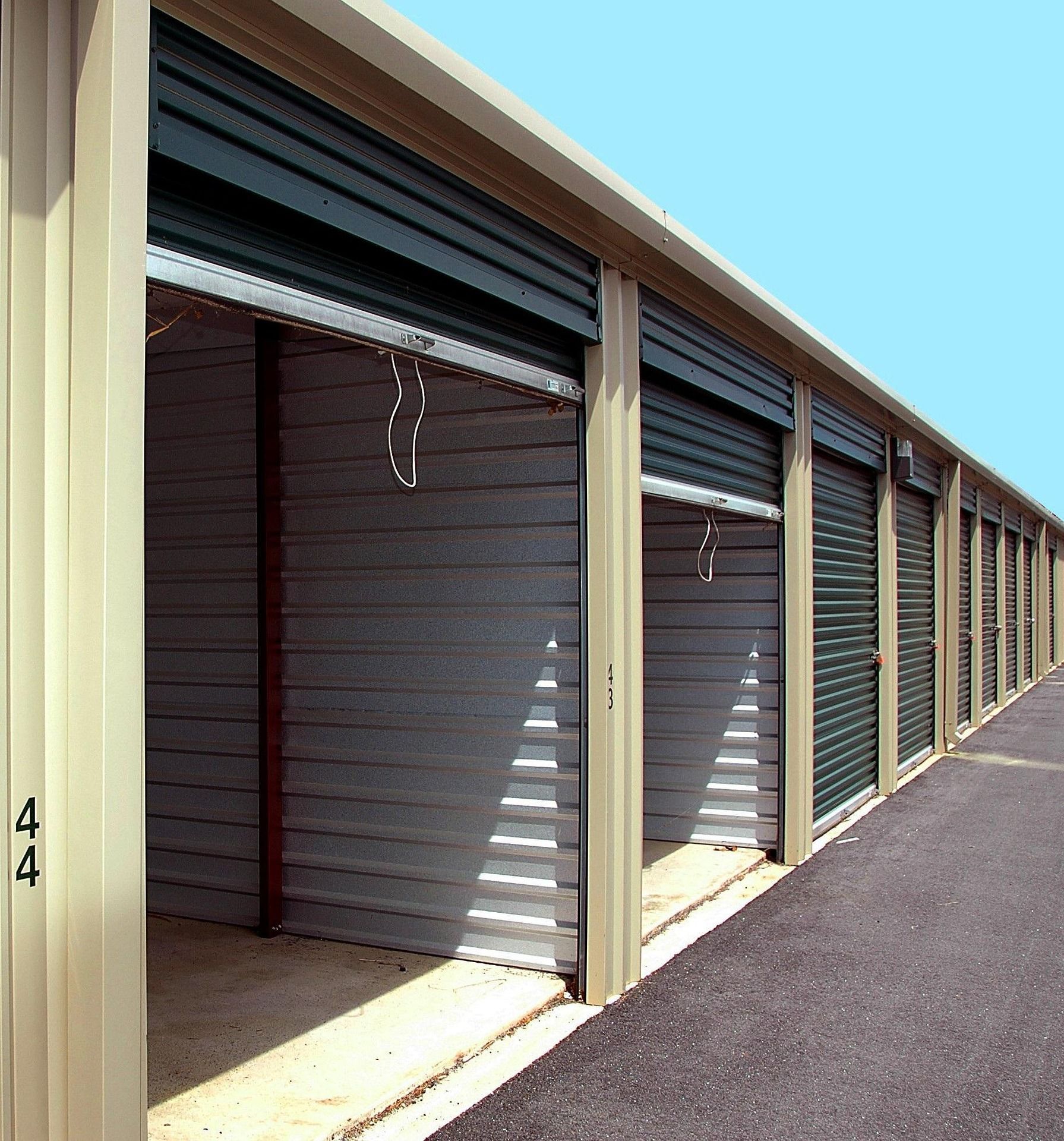
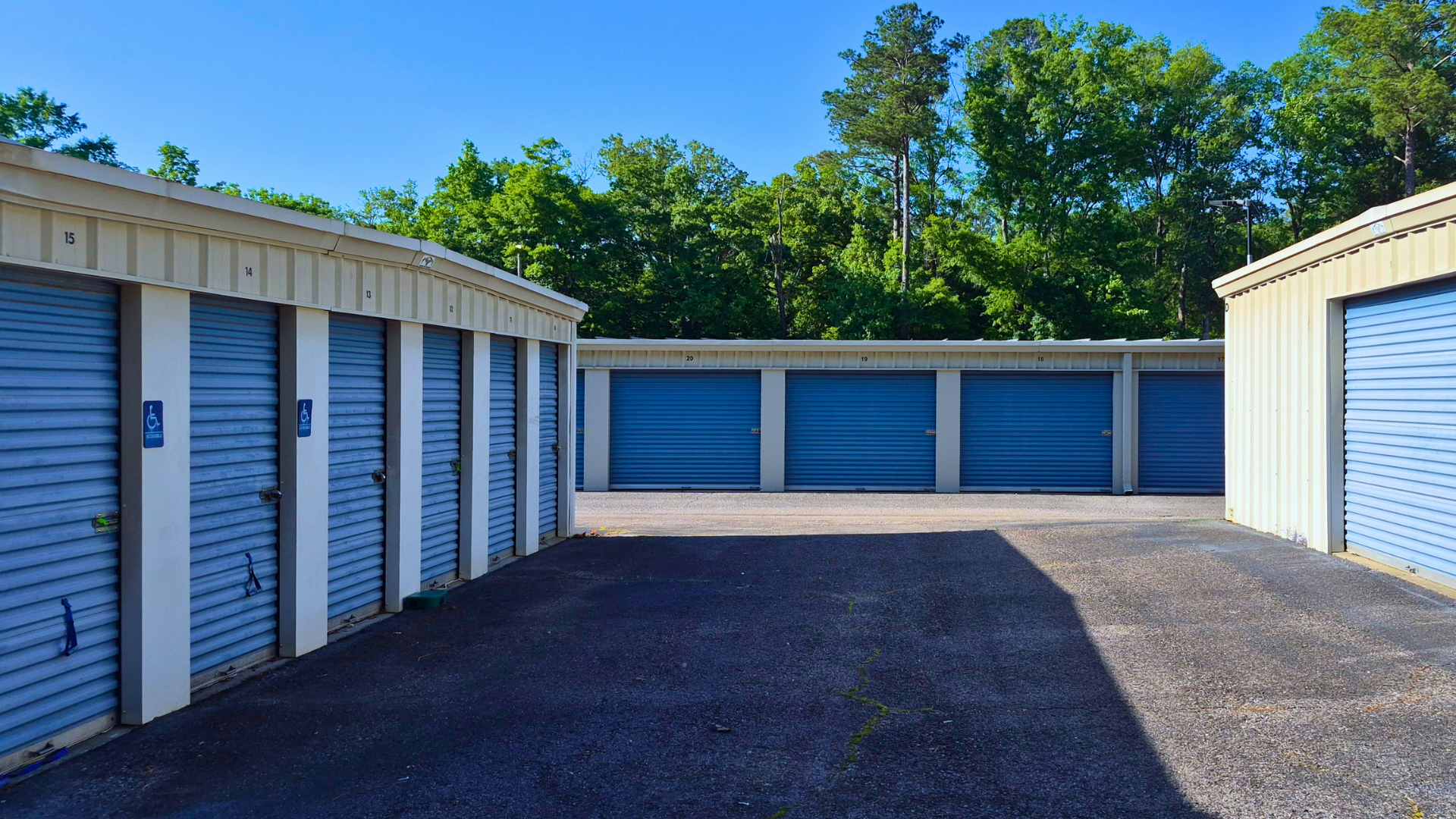
For businesses that move inventory, equipment, or supplies in and out regularly, drive-up storage is built for efficiency. These units open directly to a driveway or loading area, so you can back a truck or van right up to the door and load or unload without hauling items through hallways or up elevators. Contractors storing tools and jobsite materials, event companies rotating tables, chairs, and staging equipment, and retailers restocking from overflow inventory all benefit from drive-up access. The speed and convenience of pulling directly to your unit makes a real difference when you're loading heavy items or making frequent trips throughout the week.
Warehouse Storage
When a standard storage unit isn't large enough for your operation, warehouse storage provides the square footage to handle bulk inventory, large equipment, or palletized goods without the commitment of a traditional warehouse lease. This format works well for distributors, wholesalers, and growing e-commerce businesses that need room to stage and organize larger volumes of product. Some warehouse-style spaces include loading docks, high ceilings, and wide access doors that accommodate pallet jacks and forklifts. If your business has outgrown a 10x20 unit but doesn't need a 5,000-square-foot commercial lease, warehouse storage bridges that gap.
Indoor Storage
Indoor storage units sit inside a fully enclosed building, accessed through interior hallways rather than exterior roll-up doors. This format adds an extra layer of protection from weather, dust, and unauthorized access - making it a strong choice for businesses storing high-value goods, confidential records, or sensitive equipment that benefits from a cleaner, more controlled environment. Indoor units are often available in smaller sizes too, which is practical for businesses that need to store a modest volume of documents, supplies, or seasonal materials without renting more space than necessary. Check the
storage unit size guide to match your inventory volume to the right unit dimensions.
How Businesses Put Self Storage to Work
Self storage works for businesses across industries, but the way each one uses it looks different. Here are some of the most common and practical applications.
Retail Inventory and Seasonal Stock
Retailers dealing with seasonal product cycles - holiday merchandise, summer inventory, back-to-school supplies - need somewhere to keep overflow stock without cluttering the sales floor or backroom. A storage unit close to the store gives you a second stockroom that's accessible on your schedule without the cost of expanding your retail footprint.
Document and Records Archiving
Legal, medical, financial, and accounting firms often have retention requirements that demand years of paper records stay organized and accessible. A climate-controlled unit keeps those files protected from humidity and temperature damage while freeing up office space that's better used for people than filing cabinets.
Contractor and Trade Equipment
Electricians, plumbers, landscapers, and general contractors accumulate tools, materials, and equipment that don't fit in a work truck or garage. A storage unit with drive-up access lets you load and unload heavy gear quickly between jobs without making your home the staging area.
E-Commerce Fulfillment and Staging
Online sellers who've outgrown the spare bedroom or garage but aren't ready for a commercial warehouse use storage units as order fulfillment stations. Organize inventory by SKU, pack orders on-site, and ship from a location that costs a fraction of dedicated warehouse space.
Office Transitions and Downsizing
Businesses relocating, renovating, or shifting to remote work need a place to keep furniture, equipment, and supplies during the transition. Moving storage provides a temporary home for office assets until the new space is ready or decisions are made about what stays and what goes.
Frequently Asked Questions About Boat Storage
What size storage unit does a business typically need?
It depends entirely on what you're storing. A small office archiving documents might only need a 5x10 unit, while a retailer holding seasonal inventory could require a 10x20 or larger. Measure or estimate the volume of what you plan to store and use the storage unit size guide to find the right fit. Starting slightly larger than you think you need is usually smarter than cramming everything into a tight space.
Can I receive deliveries at my storage unit?
Most self storage facilities do not accept deliveries on behalf of tenants. If receiving shipments is part of your workflow, look specifically for warehouse storage facilities that include loading docks or package acceptance as part of the rental. Standard self storage units are designed for tenant-managed access, not third-party delivery.
Is climate-controlled storage necessary for business inventory?
If you're storing paper documents, electronics, medical supplies, cosmetics, wine, or anything affected by heat, cold, or humidity, yes. Standard units work fine for durable goods like tools, metal shelving, and non-sensitive equipment. The deciding factor is whether temperature swings or moisture could damage or degrade what you're storing over the time it will be in the unit.
Can multiple employees access the same storage unit?
Policies vary by facility. Many allow the primary renter to authorize additional users who receive their own access codes, but some restrict access to the account holder only. Ask about multi-user access before renting if your team needs independent entry.
Are business storage rentals available month-to-month?
Most facilities listed on The Storage Advantage offer month-to-month terms, which is one of the biggest advantages self storage has over commercial leases. You can scale up during busy seasons and scale back when demand slows, keeping costs aligned with your actual needs instead of a fixed lease commitment.
Can I use a storage unit as a workspace?
Generally, no. Most self storage facilities prohibit using units as active workspaces, offices, or production areas. Storage units are designed for keeping goods and materials, not as occupied spaces. If you need a workspace with storage attached, look into commercial flex space or shared warehouse options instead.
Find Business Storage Near You
The right storage setup keeps your business organized and your costs under control without the overhead of additional commercial space. Search business storage options on The Storage Advantage to compare facilities near you by unit size, features, and access, and reserve your space online.