Rent online in minutes
Contact Us
We will get back to you as soon as possible.
Please try again later.
Check out all 4,000+ of our locations on a map by clicking "Find Storage" in the menu!

4.8
Finding Self Storage in Fort Wayne, IN
 Indiana
Premiere Storage | Dupont Rd
2925 E Dupont Rd, Fort Wayne, IN 46825
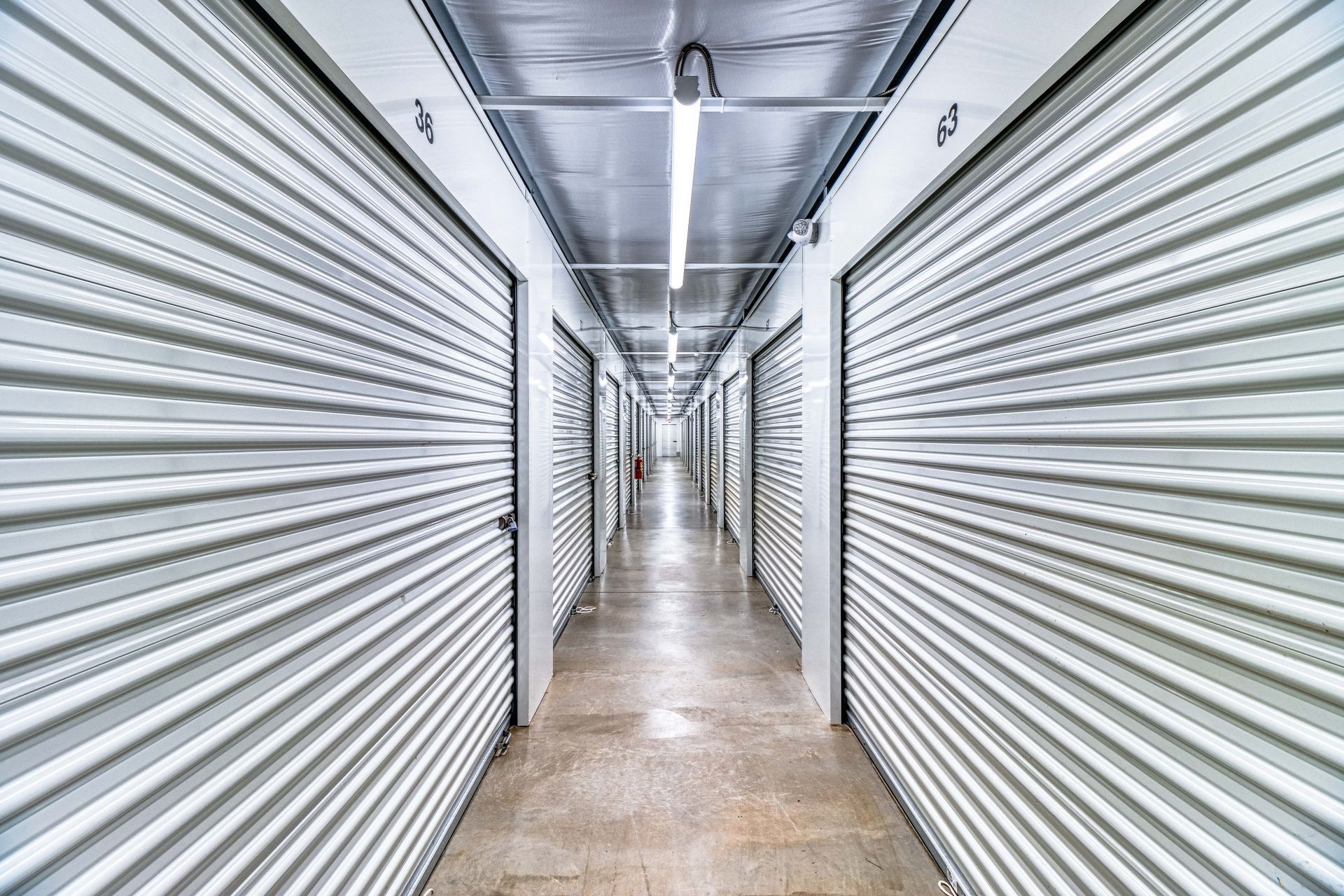
Fort Wayne is Indiana's second-largest city and, by recent measures, the fastest-growing large city in the Midwest. Allen County added residents at four times the regional average rate in 2023, and the city's momentum - driven by healthcare expansion, manufacturing investment, a $2 billion Google data center campus, and sustained riverfront redevelopment - shows no sign of slowing. That growth creates constant demand for storage, as households arrive, relocate, and expand faster than the local housing market can absorb them. Whether you're coming to Fort Wayne for a Parkview Health rotation, a position at the GM Assembly plant, a semester at Purdue Fort Wayne, or a move to one of the city's revitalizing neighborhoods, off-site storage is a practical part of how residents manage transitions in a city that's adding people faster than it's adding square footage.
Fort Wayne sits at the confluence of the Maumee, St. Joseph, and St. Marys rivers in the heart of northeastern Indiana, roughly 125 miles northeast of Indianapolis and 145 miles east of Chicago. It's a city with deep roots - established in 1794 as a U.S. Army fort under General Anthony Wayne - and a present defined by healthcare, advanced manufacturing, and a growing innovation economy. For a complete picture of options across the state,
self storage in Indiana connects you to facilities throughout Allen County and beyond.
Fort Wayne's Climate and What It Means for Your Storage
Fort Wayne has a humid continental climate that demands year-round attention for anything kept in unprotected storage. Summers are warm and humid - July averages a high of 83°F with overnight lows near 64°F, and relative humidity runs between 76% and 84% throughout the year, peaking in January and February. The city sees around 39 thunderstorm days annually, with peak precipitation in May and June. Winters are cold, often severe, and snowy: January averages a high of only 34°F and a low of 19°F, and the city receives an average of 33.6 inches of snowfall annually according to the National Weather Service. Lake effect snow from Lake Michigan occasionally reaches northeastern Indiana, and freezing precipitation events - ice storms, sleet, and freezing rain - are not uncommon in winter months.
That combination of humid summers and hard winters puts stored belongings under real stress from both ends of the calendar. Summer heat and humidity promote mildew, warping, and condensation damage in upholstered furniture, clothing, paper, and electronics. Winter cold can crack screens and seals, drain batteries, damage paint and ceramics, and degrade adhesives.
Climate-controlled storage keeps interior temperatures stable year-round, protecting what you store from both the July humidity and the January freeze without requiring seasonal adjustments on your end. For furniture, electronics, instruments, documents, or anything with sentimental or significant replacement value, it's the right choice in Fort Wayne's climate.
Our
self storage FAQ covers security features, lease terms, access hours, and what to ask a facility before you reserve a unit.
Storage Unit Sizes and Features in Fort Wayne
Facilities in Fort Wayne offer unit sizes from compact 5x5 lockers - suited for seasonal items, boxes, and small overflow - up to 10x20 and larger spaces that handle full household moves. A 10x10 covers a one-bedroom apartment comfortably; a 10x15 handles two bedrooms or a larger living room set; a 10x20 fits a three-bedroom home or a contractor's equipment inventory. Our
storage unit size guide walks through real-world comparisons so you can select your unit based on what you're actually storing rather than estimating.
Drive-up storage is a practical fit for Fort Wayne households loading and unloading furniture, contractors and tradespeople managing tools and materials, and outdoor enthusiasts storing kayaks, bikes, and fishing gear for the city's 70-mile Rivergreenway trail system and three-river paddle corridor. Musicians and audio professionals storing instruments or production equipment - a meaningful population in a city home to Sweetwater Sound - benefit from
climate-controlled and
indoor storage that shields sensitive gear from humidity and temperature swings year-round. Small businesses at Electric Works, along the Wells Street Corridor, and throughout the downtown innovation district use
business storage for inventory overflow, document archives, and equipment between projects - a cost-effective alternative to leasing additional commercial space in a tightening market.
Security features worth confirming before you reserve include coded gate access, perimeter camera coverage, adequate lighting for early morning and late evening access, and on-site management during staffed hours.
Self Storage Across Fort Wayne and Allen County
Fort Wayne has more than 400 recognized neighborhoods organized across four traditional quadrants — northeast, northwest, southeast, and southwest — divided by the St. Joseph River and Calhoun Street. Storage needs track those neighborhoods closely, shaped by the character of each area's housing stock, employer proximity, and resident demographics.
- Downtown / Three Rivers District: The convergence of the Maumee, St. Joseph, and St. Marys rivers defines Fort Wayne's historic core. Downtown is in the midst of a sustained transformation — Riverfront Fort Wayne has seen more than $330 million in completed and ongoing investment, with projects like the Treeline District, The Eddy, and The Landing Exchange reshaping the north riverbank. Residents in the growing apartment inventory, small business operators at Electric Works and the Wells Street Corridor, and entrepreneurs in the Summit City Entrepreneur and Enterprise District use storage to handle overflow that compact urban spaces can't accommodate on-site.
- Northwest / Wells Street Corridor: The northwest quadrant is built around the character of the Wells Street Corridor — ethnic restaurants, independent shops, and a distinct neighborhood identity that has drawn younger households and creative professionals. The area has a mix of older residential housing and commercial storefronts, generating steady storage demand from renters and small business operators who need flexible off-site space.
- Historic Northeast — North Anthony, Forest Park, and Northside: Fort Wayne's historic northeast neighborhoods contain some of the city's most established residential streets, with tree-lined blocks and housing stock ranging from mid-century ranch homes to older craftsman and Victorian-era builds. Homeowners in this corridor use storage during renovation projects, estate transitions, and seasonal gear rotations. The City of Fort Wayne has recognized the area's preservation value, recently offering free trees to residents as part of an ongoing beautification initiative.
- Spy Run / Coliseum Boulevard Corridor: One of Fort Wayne's busiest commercial corridors, centered around Glenbrook Square and Memorial Coliseum, the Spy Run area is home to a dense mix of retail, lodging, and residential housing. Its location adjacent to the Purdue University Fort Wayne campus on East Coliseum Boulevard makes it a hub for student and staff households. PFW's undergraduate enrollment of approximately 6,500 students creates consistent summer storage demand as off-campus renters vacate between academic years.
- East Central / Frances Slocum: East Central encompasses the Indiana Tech campus, Rivergreenway trail access along the Maumee River, and the African American History Museum. The adjacent Frances Slocum neighborhood follows the Maumee corridor northeast to Parkview Hospital, one of Fort Wayne's anchor healthcare employers, and features a growing mix of ethnic restaurants and markets reflecting the city's increasing diversity. Healthcare workers cycling through Parkview placements generate household-in-transition storage throughout the year.
- Waynedale / Southwest Fort Wayne: On the southwest side, Waynedale functions as its own small town within the city — community-driven, locally rooted, and centered around Foster Park and Winchester Road. It's a residential corridor that mixes long-established homeowners with newer arrivals to the southwest side. Storage demand here comes from households downsizing, families managing seasonal outdoor gear, and residents whose compact homes don't have adequate basement or garage space for everything they need to keep.
- Aboite Township and SW Allen County: The southwest suburbs — particularly the Southwest Allen County Schools district — have drawn families seeking larger homes, newer construction, and access to the Aboite Trails Network's 28.8 miles of trails. The area's newer housing tends to run larger, but rapid household formation and frequent relocation among professional workers at Parkview, GM, and the Google data center campus still generate consistent storage demand for the gap between moves, seasonal overflow, and recreational equipment.
Frequently Asked Questions About Self Storage in Fort Wayne, IN
Does Fort Wayne's weather make climate-controlled storage necessary?
For most stored items, yes. Fort Wayne receives an average of 33.6 inches of snowfall annually, and January lows average 19°F — cold enough to crack electronics, damage ceramics, and degrade adhesives in a standard uninsulated outdoor unit. Summer humidity running near 80% promotes mildew and condensation damage in furniture, fabric, and paper. Climate-controlled storage removes both risks by maintaining a stable interior environment year-round. If you're storing furniture, documents, instruments, electronics, or anything with meaningful replacement value, it's worth the modest additional cost.
What size unit do most Fort Wayne renters and movers need?
Fort Wayne's median rent is in the mid-$700s range, and renter households tend to occupy one- to two-bedroom apartments. A 10x10 unit comfortably holds a one-bedroom apartment's worth of furniture and boxes; a 10x15 adds a second bedroom or a larger living room set. For a full household move or anyone storing between leases, a 10x20 handles a three-bedroom home. See our unit size guide for visual comparisons before you reserve.
Can I store recreational gear for the Rivergreenway and Fort Wayne's parks system?
Yes — drive-up units work well for kayaks, canoes, bikes, fishing equipment, and other recreational gear used on Fort Wayne's 70-mile trail network and three-river paddle corridor. The city's 87 parks cover more than 2,840 acres, and households active in outdoor recreation regularly use storage to manage seasonal equipment between use. Vehicle storage is also available at select facilities for trailers, ATVs, and recreational vehicles. Calling ahead to confirm available unit dimensions for oversized items is always a good step before reserving.
Find the Right Storage Unit in Fort Wayne
Fort Wayne is growing faster than most Midwest cities, and that growth - whether it comes from a healthcare position at Parkview or Lutheran, a manufacturing role at the GM Assembly plant, a construction job on the Google campus, or a move to one of the downtown riverfront's new developments - creates consistent, practical demand for storage across every part of the city and county. With Allen County's population rising and new households arriving regularly, finding a unit that fits your inventory, protects against Indiana winters and summers, and stays accessible when you need it is the right first move. For more options across the region,
self storage in Indiana connects you to facilities throughout Allen County and the state.
Browse storage facilities in Fort Wayne to compare unit sizes, features, and prices near you.