Rent online in minutes
Contact Us
We will get back to you as soon as possible.
Please try again later.
Check out all 4,000+ of our locations on a map by clicking "Find Storage" in the menu!

4.8
Household Storage
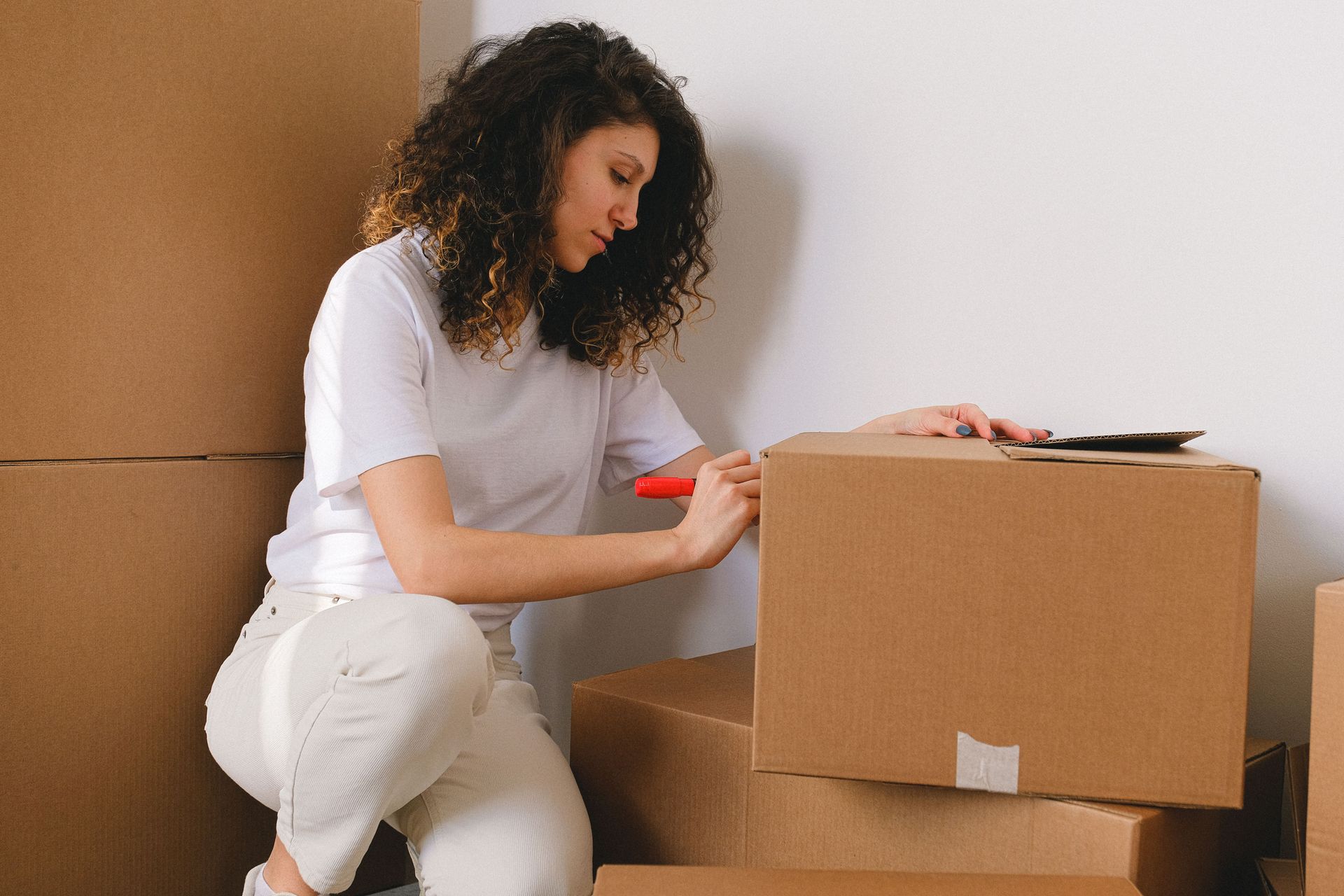
Household Storage for the Stuff Life Accumulates
Most homes weren't designed with enough room for everything life throws at you. Closets fill up. Garages become overflow zones for furniture, holiday decorations, and boxes that haven't been opened since the last move. Spare bedrooms turn into storage rooms. At some point, the stuff you own starts competing with your actual living space, and the house starts to feel smaller than it is.
Household storage solves that problem by giving your belongings a dedicated, secured space outside the house. A storage unit works as an extension of your home's storage capacity - a place for furniture between moves, seasonal items between uses, and the things you want to keep but don't need access to every day. It's a practical solution that costs significantly less per square foot than the space those items are currently occupying in your house.
The need for household storage usually shows up during a specific life event. A move where the timing doesn't line up perfectly. A renovation that requires clearing rooms. A decision to downsize. A change in family circumstances that means reorganizing who lives where and what stays. These moments create a sudden, real need for space that your home can't provide on its own.
When choosing a facility, start with the basics. Security matters - gated entry, individual access codes, and camera systems protect belongings you can't easily replace. Access hours should fit your schedule, especially if you'll be visiting regularly to grab or drop off items. Location plays a role too. A facility close to home means a quick trip when you need something instead of a cross-town drive. And the type of unit - drive-up, indoor, climate-controlled - should match what you're storing and how long it's going to sit.
The Storage Advantage lets you compare household storage options across facilities near you. Filter by unit size, features, and location to
find a space that works for your situation without overpaying for features you don't need.
When Household Storage Makes Sense
Household storage isn't something most people plan for in advance. It becomes necessary when life shifts, and the timing rarely gives you weeks to prepare. Here are the situations that bring most renters through the door.
Moving Between Homes
The ideal move is a clean handoff - out of one home and into the next on the same day. The reality is rarely that smooth. Leases end before the new place is ready. Home sales close on different timelines than purchases. Temporary housing between moves doesn't have room for a full household of furniture.Moving storage fills the gap by holding your belongings in a secure unit until the next place is ready to receive them. A month-to-month rental means you only pay for the time you actually need, and drive-up access makes the loading and unloading process as efficient as possible on days that are already hectic enough.
Home Renovation and Remodeling
Renovating a kitchen, bathroom, or bedroom is disruptive enough without tripping over the furniture and belongings that normally live in that space. Moving everything into a storage unit clears the work area for contractors, protects your belongings from dust, paint, and construction debris, and makes the renovation itself go faster because no one is working around your stuff. Even a short project creates chaos if furniture is stacked in hallways and bedrooms. Storage eliminates that problem entirely and lets you bring everything back once the work is finished and the space is clean.
Downsizing and Decluttering
Moving to a smaller home, clearing out a parent's house, or simply reclaiming living space from years of accumulation all create a pile of belongings that need to go somewhere. Not everything is ready for donation or disposal, and making decisions about sentimental items under time pressure leads to regret. A storage unit gives you breathing room. Keep what you're not ready to part with, take the time to sort through it, and decide at your own pace what stays, what goes, and what gets passed along. The unit buys you time without forcing rushed decisions.
Life Transitions
Divorce, death in the family,military deployment, caring for aging parents, blending households - these transitions all involve reorganizing physical belongings in ways that don't always have an immediate destination. One household becomes two. Two households merge into one. An entire home needs to be cleared while decisions about the estate are made. Storage provides a stable holding space during periods where life is anything but stable, keeping belongings secure and accessible until the next chapter settles into place.
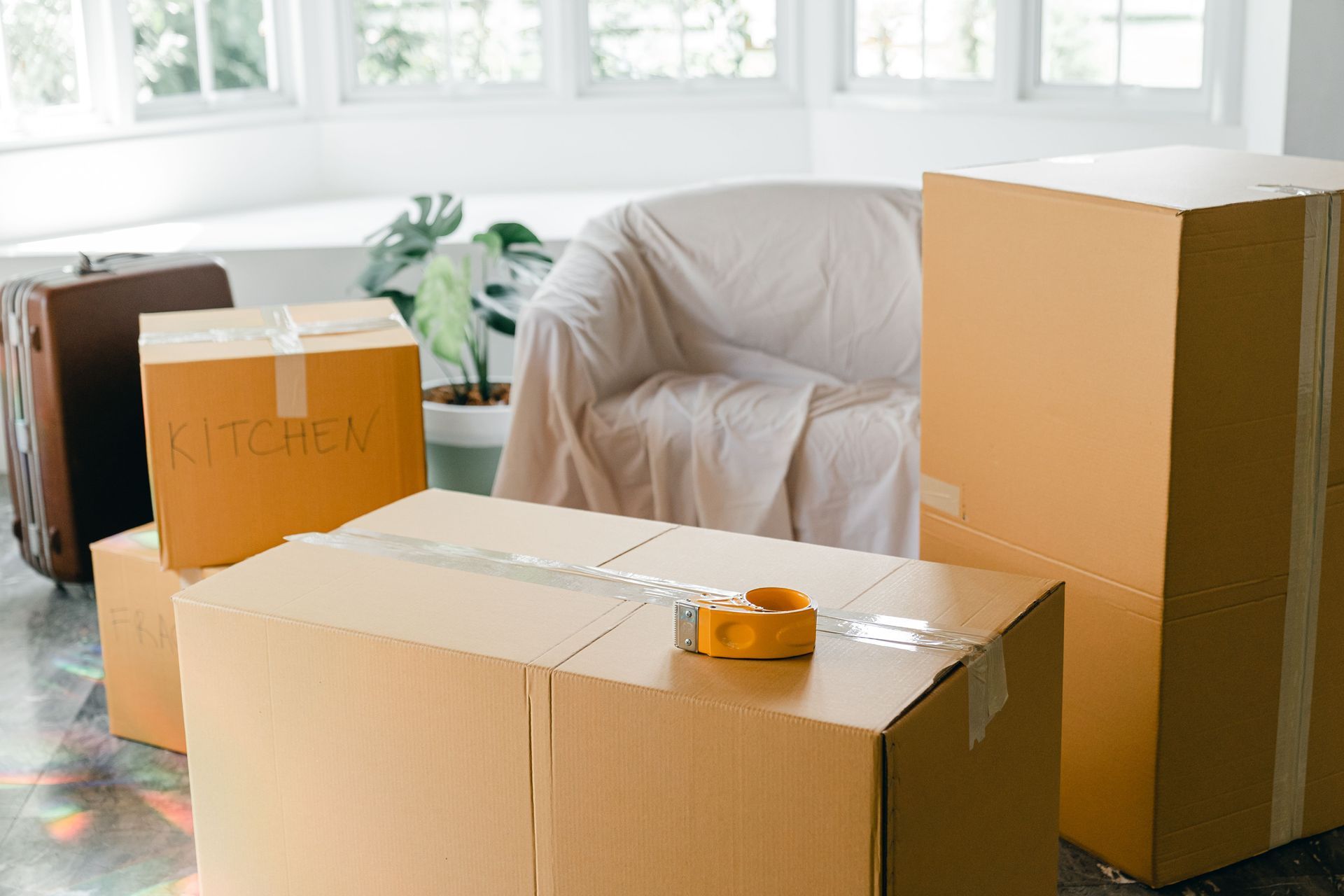
Choosing the Right Storage Format for Household Items
The storage format that makes the most sense depends on what you're putting into the unit and how long it's going to be there.
Drive-Up Storage for Furniture, Appliances, and Large Items
If you're storing couches, mattresses, dressers, dining tables, or boxed-up rooms of household goods,drive-up storage is the most practical choice. You pull your vehicle directly to the unit door, load and unload without navigating hallways or elevators, and close the roll-up door when you're done. Drive-up units are available in a wide range of sizes - a 10x10 holds the contents of a one-bedroom apartment, a 10x20 handles a two or three-bedroom home, and larger units accommodate full households including appliances and outdoor equipment.
Climate-Controlled Storage for Sensitive Belongings
Wood furniture, leather, electronics, family photographs, important documents, and fabric-based items like clothing and bedding are all vulnerable to temperature swings and humidity over time.Climate-controlled storage maintains stable temperature and humidity levels inside the unit, preventing warping, cracking, mold, mildew, and corrosion. If you're storing for more than a couple of months or through a full season of summer heat or winter cold, climate control protects items that would otherwise come out of storage in worse condition than they went in.
Indoor Storage for Valuables and Frequent Access
Indoor storage units are located inside a fully enclosed building, accessed through interior hallways. They're a strong fit for smaller collections of household items, valuables, and belongings you plan to access regularly. The interior location reduces dust and provides an additional layer of security compared to exterior units. Indoor units are often available in compact sizes that work well for a few boxes of documents, seasonal clothing, or sentimental items that don't need a large space.
Household Storage Questions, Answered
What size storage unit do I need for a house full of furniture?
A 10x10 unit holds the contents of a typical one-bedroom apartment. A 10x15 or 10x20 handles a two or three-bedroom home including furniture, boxes, and some appliances. For a full four-bedroom household with large furniture and outdoor equipment, a 10x25 or 10x30 may be necessary. Thestorage unit size guide breaks down dimensions by room count and item type so you can estimate before reserving.
Do I need climate-controlled storage for household items?
It depends on what you're storing and for how long. Durable items like metal shelving, plastic bins, and outdoor equipment do fine in a standard unit. Wood furniture, leather, electronics, photographs, documents, and clothing benefit from climate control, especially during storage periods that span a full summer or winter. If the items are difficult or expensive to replace, climate control is the safer choice.
How should I prepare household items for storage?
Clean everything before it goes in. Disassemble furniture where possible to maximize space. Wrap wood and upholstered pieces in moving blankets or furniture pads rather than plastic wrap, which traps moisture. Pack boxes tightly and label them clearly. Place heavier boxes on the bottom and lighter ones on top. Leave a small walkway in the unit so you can access items in the back without unpacking the entire space.
Can I store appliances in a storage unit?
Yes. Refrigerators, washers, dryers, and other appliances store well in standard units as long as they're cleaned and dried thoroughly before going in. Leave refrigerator and freezer doors slightly ajar to prevent mold and odor buildup. Disconnect and drain any water lines from washers and dishwashers. If you're storing through temperature extremes, a climate-controlled unit helps prevent condensation and internal corrosion.
How long can I keep household items in storage?
There's no maximum time limit at most self storage facilities. Month-to-month rental terms let you keep the unit as long as you need it. For long-term storage (six months or more), climate control and proper packing become more important because the effects of temperature, humidity, and dust exposure compound over time. Check on your unit periodically and refresh moisture absorbers if you're using them.
Is household storage available month-to-month?
Most facilities listed on The Storage Advantage offer month-to-month terms with no long-term lease required. This is practical for situations where you don't know exactly how long you'll need the space, like waiting for a home to sell, a renovation to finish, or a living situation to stabilize. You can cancel when you're ready to move everything out.
Find Household Storage Near You
Your home should feel like a home, not a warehouse. Search household storage options on The Storage Advantage to compare facilities near you by unit size, format, and features, and reserve a space for the things that need a place to go.